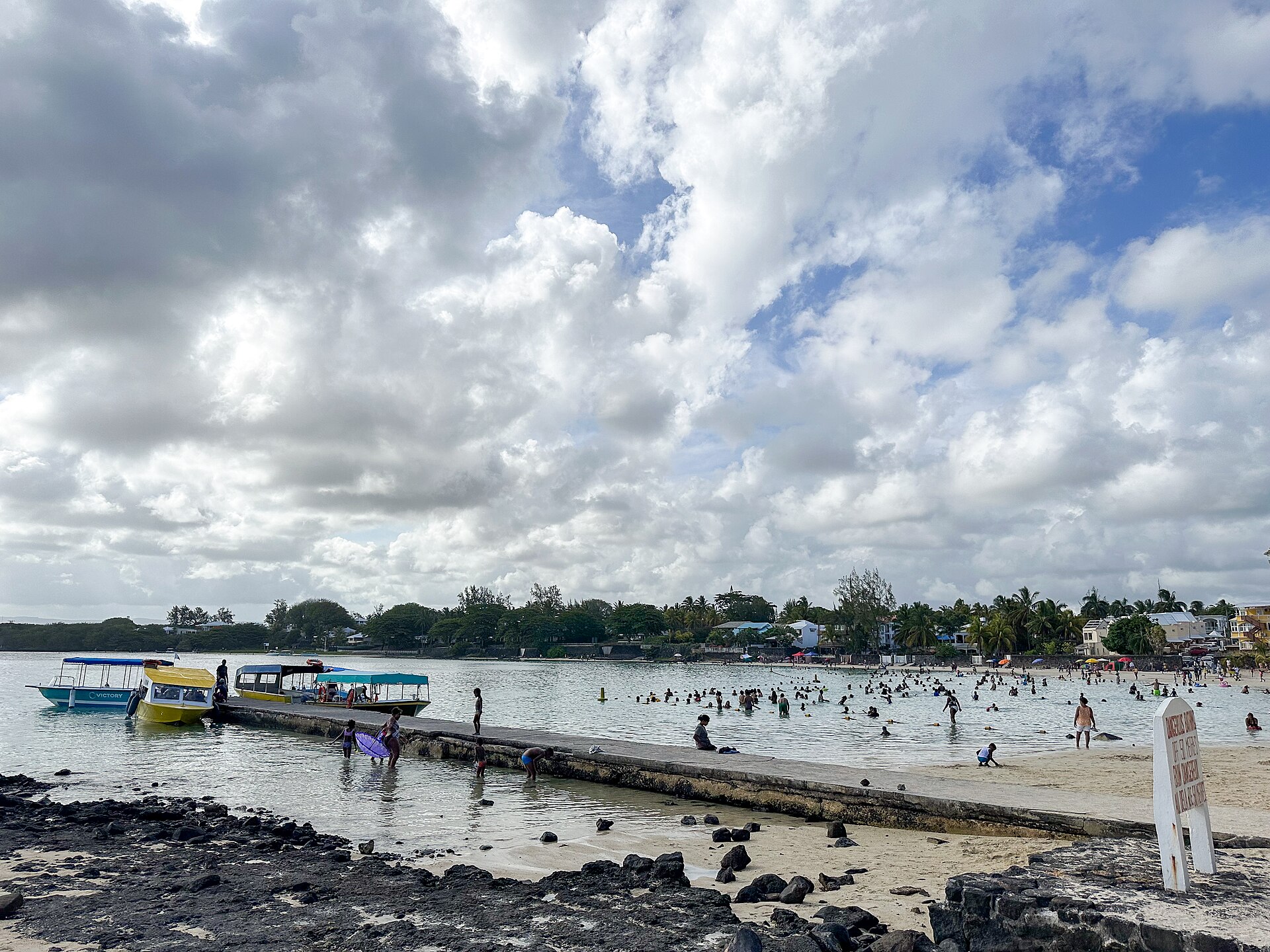
What the experience is actually like
A glass-bottom boat lets you observe the lagoon through transparent viewing panels while remaining on board. The skipper positions the boat over suitable sections of the permitted route and passengers look down at the bottom. It is a surface boat with underwater windows, so expect a different perspective from a submarine or a person snorkelling beside the reef.
The quality of the outing depends on more than the length of the ride. Clear panels, an unobstructed view, patient positioning and good explanations help you understand what you are seeing. Ask whether the trip is focused on reef viewing or whether the glass-bottom segment is a short part of a longer excursion.
Choose between viewing, snorkelling and a longer excursion
A viewing-only trip is the clearest choice when your priority is to remain dry and look at the reef. A combined trip adds time in the water, which can work well for a group with different interests if some passengers are allowed to remain aboard. A wider coastal outing may include more travel and other stops, but those are separate elements to compare.
Ask for the breakdown of the itinerary. Time on the water is not the same as time over the coral. A quote that includes an extended snorkelling stop may provide less glass-bottom viewing than a shorter dedicated tour. Choose the structure that fits your group rather than the largest number of advertised inclusions.
| Format | Best fit | Compare |
|---|---|---|
| Viewing trip | Passengers remaining aboard | Time over the reef |
| Viewing and snorkelling | A group with mixed interests | Supervision and time in the water |
| Private boat | A group agreeing its own pace | Total cost and permitted flexibility |
Shared seats or a private boat
A shared departure sells places to different groups. Confirm the meeting time, the maximum passenger number and whether departure depends on filling a minimum number of seats. The layout of the viewing area matters, particularly when several people want to watch or photograph the same patch of reef.
A private trip reserves the boat for your group under the agreed terms. It can make the pace easier to discuss, but it does not remove park rules or weather restrictions. Establish the permitted flexibility, the return time and the total boat price. Divide that total by your group size only after checking whether equipment, transport or other charges are additional.
How to compare prices properly
Request a complete quote in Mauritian rupees and record whether it is per person or per boat. Then compare duration, passenger arrangement, the viewing segment, snorkelling supervision, equipment and any transfer. An inexpensive headline price is not necessarily the best match if the main activity you want is an extra.
For children, ask how the age bands work and whether there is a minimum group charge. For a deposit, confirm the payment method and retain the booking terms. If transport is included, clarify both pickup and return, especially when your accommodation is outside Blue Bay. Avoid paying for a vague “marine park tour” without a defined itinerary.
The questions to settle before paying
A useful confirmation names the departure point, meeting time, expected return, activity format and total price. It should also state what happens if the skipper cancels or changes the route because of conditions. Keep a screenshot or offline copy rather than relying on a message loading at the beach.
If you are comparing several offers, use the same questions each time. This makes genuine differences visible and stops a short viewing ride being compared with a private outing that includes equipment and transport. A clear answer about the actual experience is more valuable than a broad promise of “the best coral”.
- Exact meeting point and meeting time.
- Duration and time actually devoted to glass-bottom viewing.
- Passenger count and access to the viewing panels.
- Equipment, supervision and transport included.
- Total price, child rates and cancellation arrangements.
Children, non-swimmers and passengers staying aboard
You do not need to snorkel to look through the viewing panels. For a non-swimmer, the important questions concern comfort on a boat, suitable flotation equipment and the boarding arrangement. Ask whether boarding is from a jetty, the shore or through shallow water. Do not assume every departure uses the same access point.
For children, establish whether appropriately sized lifejackets are available and how seating works around the viewing area. Ask who remains responsible for a child if another adult enters the water. Guests with mobility needs should describe the help they require before booking, including steps, balance and any transfer between surfaces.
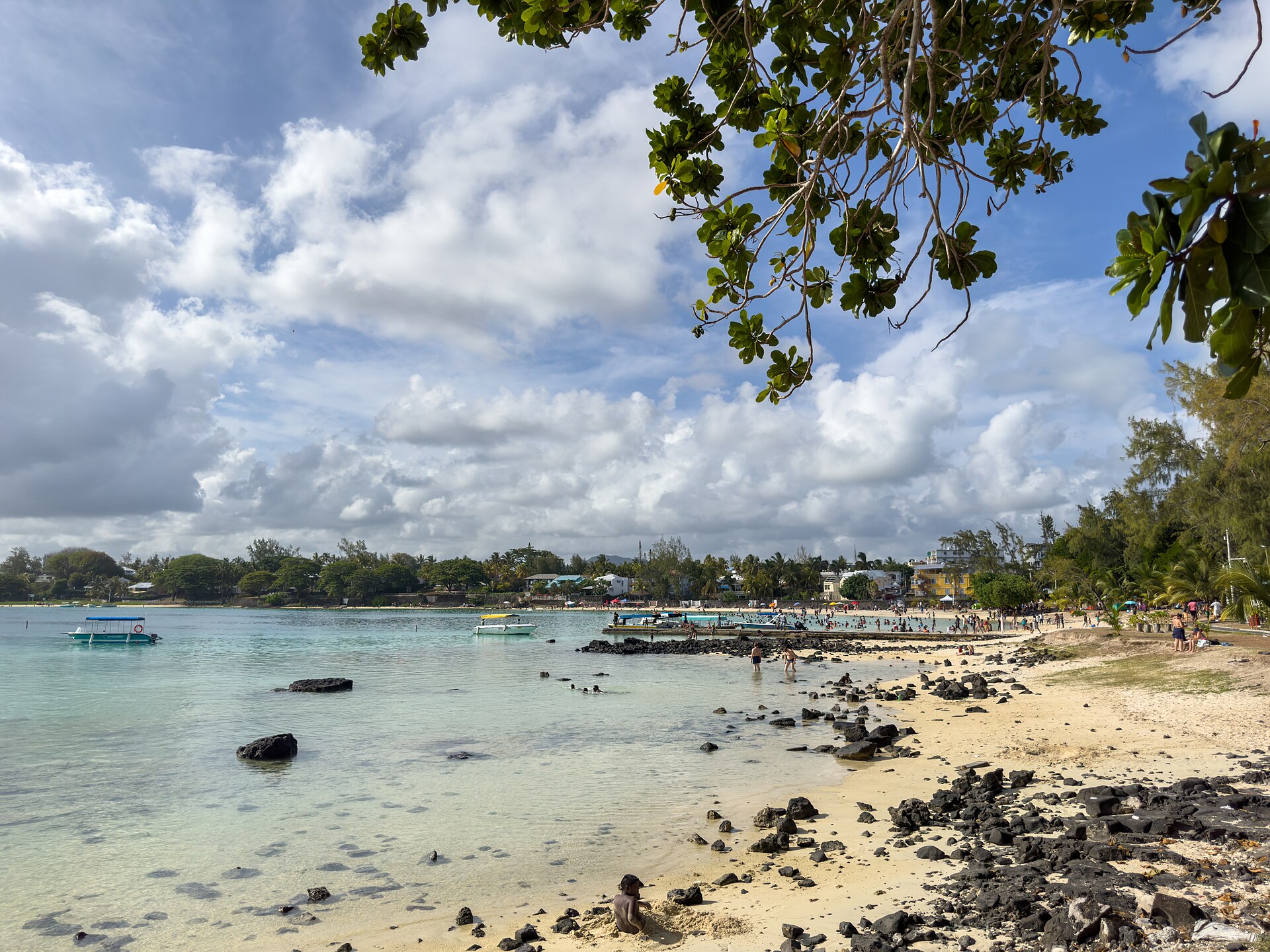
If your trip includes snorkelling
Confirm the time available in the water, the location within the permitted route, supervision and the equipment provided. “Mask and snorkel included” says nothing about the level of assistance. Tell the crew about beginners or weak swimmers and ask how participants return to the boat if they decide to stop early.
Check the fit before entering, secure loose belongings and listen to the briefing. Move without touching the coral and avoid standing on the bottom where living structures may be present. If remaining clear of the reef is difficult, return to support. A short comfortable session is preferable to staying in the water simply because time remains on the itinerary.
Visibility, weather and the right departure time
Viewing quality depends on the water and light as well as the glass. Wind, suspended particles and surface movement can change what you see. Morning is useful for keeping the rest of the day flexible, but there is no universal hour that guarantees transparent water.
Consult Blue Bay today for the forecast, tides and offshore waves, then ask the crew about the route they intend to use. Offshore predictions describe the sea beyond the reef and cannot promise conditions inside the lagoon. If viewing is the main purpose of your trip, discuss what happens when clarity is poor before you pay, rather than after boarding.
What happens if conditions change
A skipper may postpone departure, shorten the route or cancel a trip. Agree in advance whether a cancellation leads to a refund, a new time or another arrangement. Distinguish an operator cancellation from a passenger deciding not to travel; the terms may differ.
Keep an alternative on land. A walk at Blue Bay or a visit to Mahébourg can still make a worthwhile day. Avoid fixing a boat outing between two commitments with no room to adjust. Before a flight, leave the final portion of the day ashore and allow for changing, collecting luggage and reaching the terminal.
A simple plan for the outing
Arrive with enough time to find the exact meeting point and settle the practical details without rushing. Check the return time, fit the equipment if needed and establish where dry belongings will stay. During the viewing segment, let your eyes adjust, look for movement around the coral and ask the guide to explain the habitat.
After the trip, allow time to dry off and change before lunch or another stop. A boat outing and beach time make a natural half-day. For a fuller day, add Mahébourg or Pointe d’Esny rather than assuming a short reef trip also covers all the islands of the southeast.
Taking photos through the glass
Hold your camera steadily and avoid placing it where it blocks someone else’s view. Reflections can obscure the subject, so try changing your angle or shading the lens without leaning into another passenger’s space. Take a few pictures, then spend time watching the fish move through the habitat.
Keep straps secure and protect your phone from spray during boarding and transit. A viewing window does not guarantee an underwater-style photograph. The appeal is seeing the reef from the boat, and the experience can be rewarding even when reflections make photography difficult.
Compare your boat quotes
Enter the prices you have been quoted to compare shared seats with a private boat for your group.
Fill in all three fields to see the comparison.
Calculated from your quotes, before any extra charges. Compare duration, transfers, equipment and supervision too. If children pay a different rate, request a group total before comparing.
Plan your visit
Questions before you go
Can I stay on board for the entire trip?
Choose a viewing-only trip or confirm that staying aboard is accepted during a combined outing. Ask whether the boat remains attended and what the non-swimming passengers do during a snorkelling stop.
Is a glass-bottom boat a submarine?
No. You remain in a surface boat and look through underwater viewing panels. The boat does not dive below the surface.
Will I see coral without getting wet?
The viewing panels are intended for observing the bottom while aboard. What you can see depends on the permitted route, clarity, light and the viewing conditions that day.
Should I book ahead?
Booking ahead is useful for a private boat, access needs, children or a fixed schedule. Keep the exact meeting point and cancellation terms. Do not assume a walk-up departure has space or runs at your preferred time.
Are snorkelling equipment and transfers included?
Only when the particular offer says so. Confirm each inclusion, the equipment sizes and both legs of any transfer.
How much time should I allow?
Use the confirmed excursion duration, then add meeting, boarding, changing and onward travel. Keep the return flexible rather than scheduling your next appointment at the exact advertised end time.