Where the marine park begins
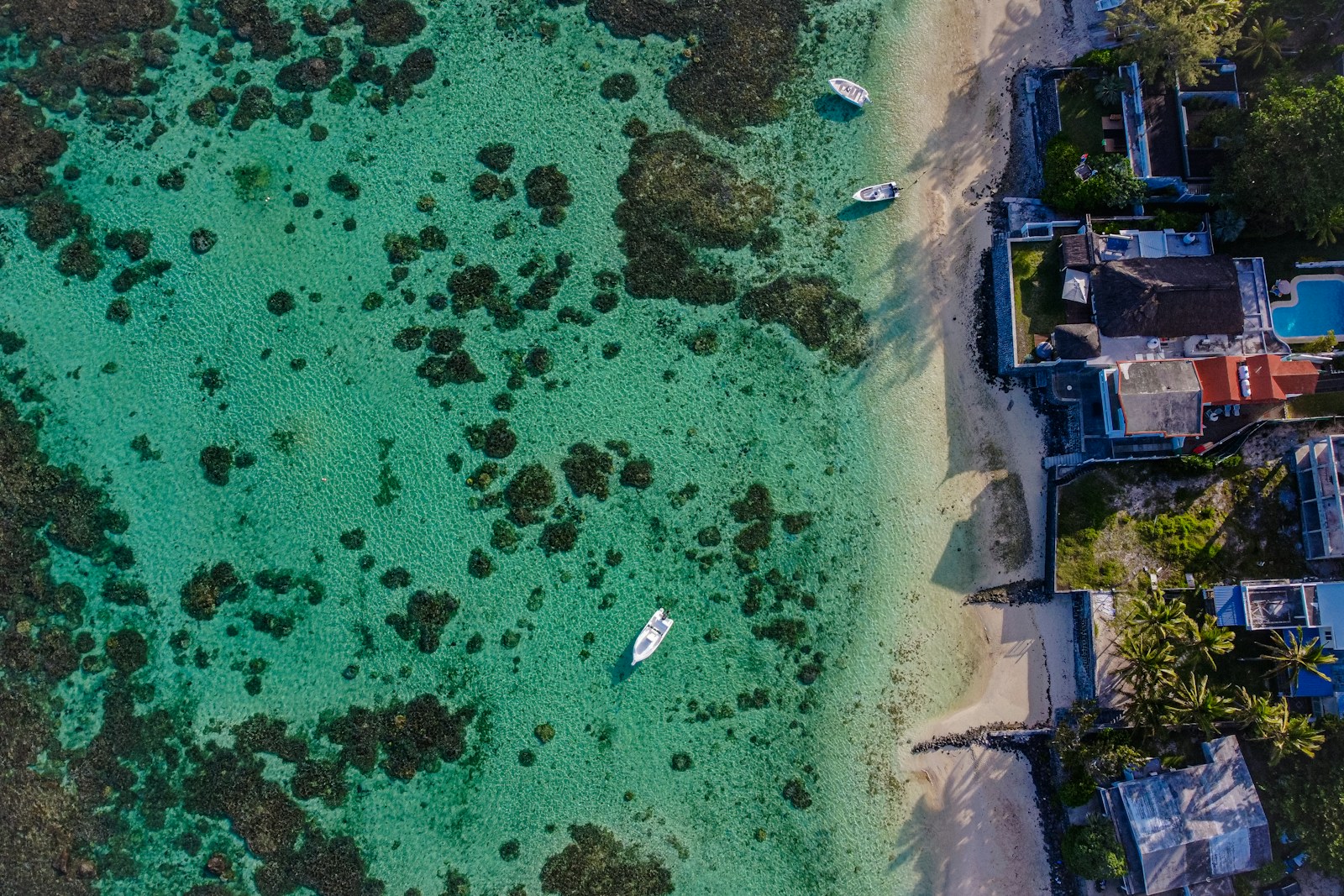
Blue Bay Marine Park lies beside Blue Bay beach on the southeast coast of Mauritius, in Grand Port district. Its protected area covers 353 hectares, or 3.53 square kilometres. That is considerably more than the water immediately in front of the public beach. The park includes lagoon habitats and an area beyond the reef, with different rules for different zones.
The easiest way to orient yourself is to separate three places. The public beach is the shore-based arrival point. The marine park is the protected water and its habitats. The boat departure point is the precise place agreed with your operator. They are connected, but a taxi instruction saying only “Blue Bay” does not identify a particular boat or meeting point.
Why this lagoon matters
The park was proclaimed a national park in 1997 and became a marine protected area in 2000. It was designated a Ramsar wetland of international importance on 31 January 2008. That designation recognises an ecosystem, including coral, seagrass and other coastal habitats, rather than simply the colour of the water.
Coral provides shelter and feeding opportunities for marine life. Seagrass and sandy areas are also part of the living lagoon. During a visit, look at how fish use the spaces between coral structures, how the bottom changes from sand to reef, and how the light changes with water depth. A good explanation from a guide makes these differences much more interesting than a quick list of fish names.
Choose the experience that fits your group
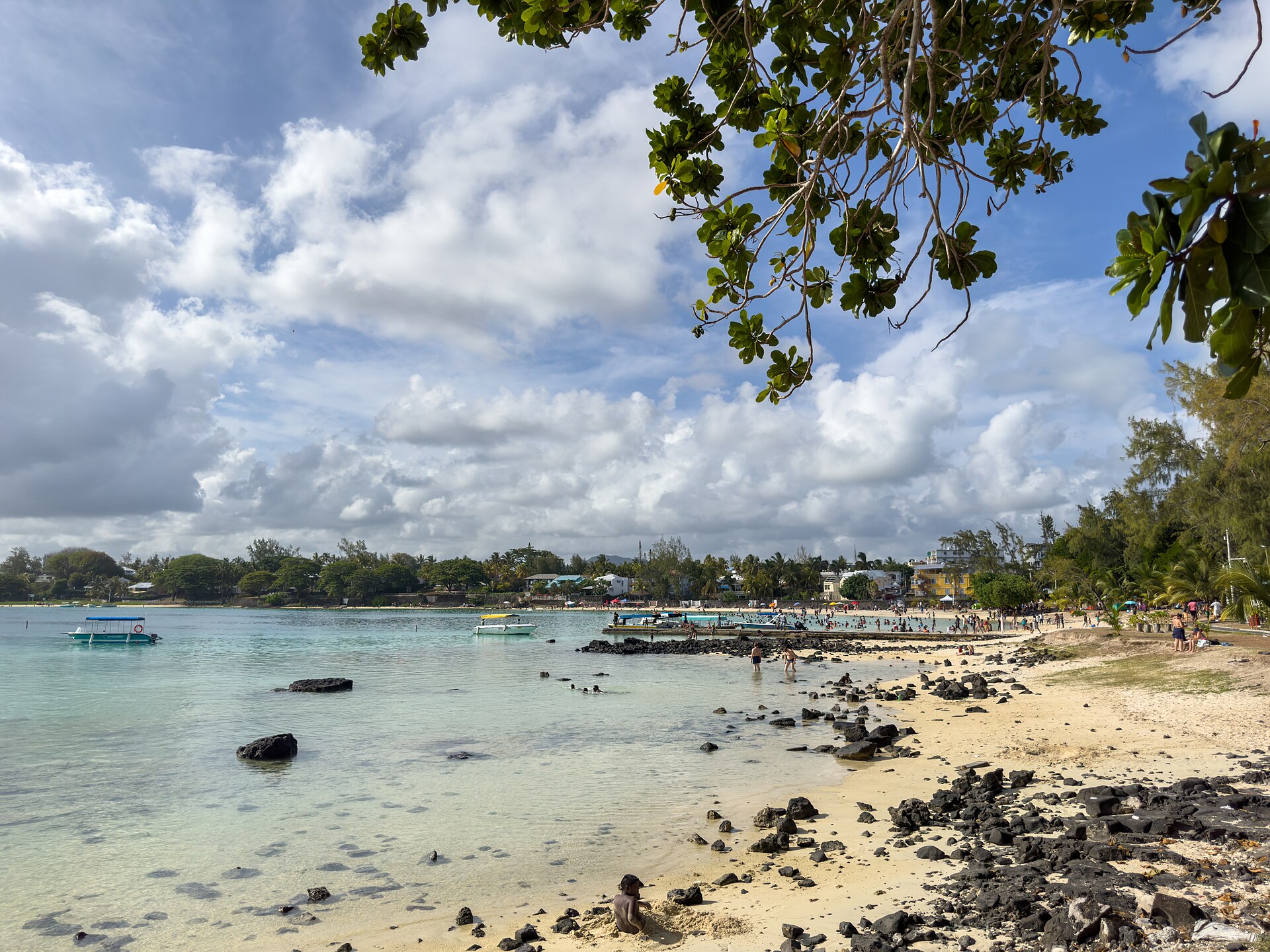
A glass-bottom boat is the straightforward choice when you want to see beneath the surface while remaining aboard. Snorkelling brings you into the water and requires suitable conditions, appropriate supervision and comfort with the equipment. Staying on the beach works well for a relaxed coastal visit, but it does not offer the same perspective on the reef.
For a mixed group, choose an outing that explicitly allows some guests to snorkel and others to remain aboard. Confirm that the people staying on the boat will still receive a worthwhile viewing experience. A long swimming stop can feel very different from a dedicated glass-bottom tour.
| Your priority | Choose | Confirm |
|---|---|---|
| See the reef without swimming | Glass-bottom viewing trip | Viewing time and boarding access |
| Spend time in the water | Supervised snorkelling outing | Ability, supervision and return to boat |
| Relax beside the lagoon | Beach and shore visit | Swimming zone and weather |
What you can see beneath the surface
The interest lies in the combination of coral shapes, reef fish and changing habitats. Some coral forms resemble branches; others have rounded or boulder-like structures. Fish may gather above a coral head, shelter in crevices or move across sandy patches. Slow observation is more rewarding than chasing an animal for a photograph.
No species should be treated as a promised encounter. A turtle photograph illustrates what a marine environment can support, not what every visitor will see. Water clarity, light, the permitted route and the animals’ movements all affect the experience. Ask your guide to explain what is actually in front of you, including the less conspicuous parts of the reef.
Snorkelling in the marine park
Blue Bay is zoned. A tempting patch of coral visible from the shore is not automatically an authorised swimming destination. Use the designated swimming area for beach swimming and follow the permitted route and instructions for a guided snorkelling outing. Do not follow boats into a navigation channel or copy another swimmer’s route.
Before leaving, establish who supervises the water session, how you enter and return to the boat, and how a guest signals that they want to stop. Beginners should practise breathing through the snorkel and check the mask fit before moving away from support. Keep your fins above the coral and never stand on the reef to clear a mask or take a picture.
What a glass-bottom boat visit involves
You look through viewing panels in the boat while the skipper positions it over suitable parts of the route. The experience depends on clarity, light, the condition of the viewing panels and how much time is allowed for observation. Compare the actual format rather than choosing only by the lowest advertised price.
Some outings are a dedicated viewing trip; others add a snorkelling stop or form part of a longer coastal excursion. Ask how much time is spent viewing, how much is spent swimming and whether the quoted duration includes boarding. A longer outing does not necessarily mean more time looking at the reef.
Fees, booking and what to compare
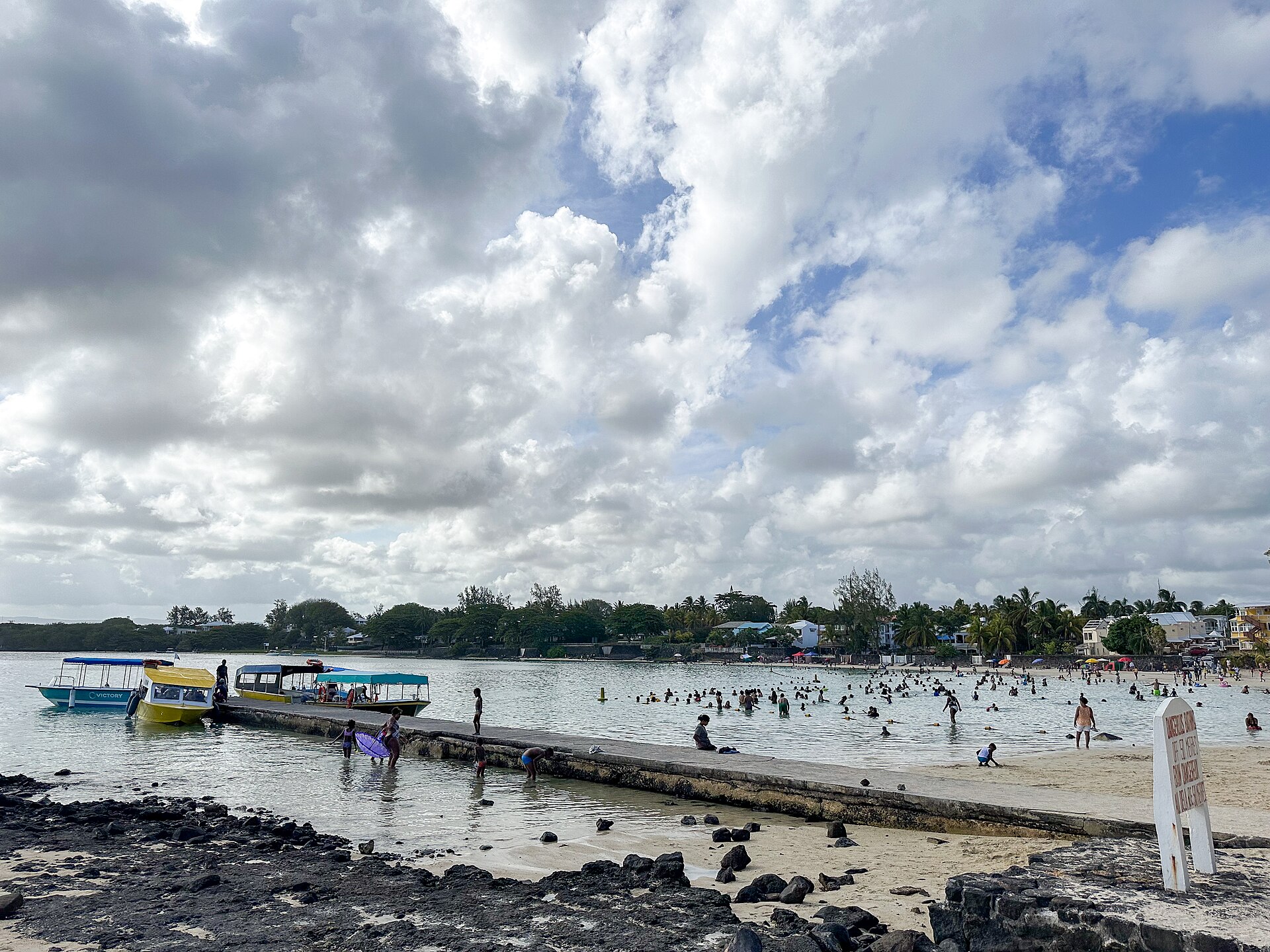
Separate the cost of a boat service from any applicable access charges. Ask for the total in Mauritian rupees for your group and a written list of inclusions. The useful comparison is between equivalent trips with the same duration, passenger arrangement, equipment and transport.
A private boat quote is usually structured differently from a shared seat price. Clarify child pricing, any minimum charge, payment arrangements and the policy if conditions change. Government boat permit charges are charges for operators; they should not be mistaken for the price of a visitor’s excursion. Keep your confirmation and meeting-point details available offline.
When to visit and how to read conditions
Choose a day with flexibility rather than assuming that a particular hour or tide guarantees clear water. Morning can be convenient because it leaves time to change the programme, but the wind, swell and local conditions still decide whether the proposed trip is appropriate. A sunny forecast alone does not settle that question.
Our Blue Bay today report brings together weather, wind, tide predictions, marine warnings and an offshore wave outlook. Read the timestamps and the geographical scope. A modelled wave height outside the reef is useful context; it is not a measurement of visibility or current inside the lagoon. Discuss the actual planned stop with the crew before boarding.
A practical half-day plan
Allow a half-day if you want a boat outing and unhurried time at the beach. Start by finding the meeting point and checking the trip format, then leave time to fit equipment and board. After the outing, change into dry clothes, have something to eat and enjoy the shore without a second fixed departure immediately afterwards.
For a full day, add one contrasting stop. Mahébourg gives you town streets and waterfront scenery; Pointe d’Esny offers another coastal perspective. A guided visit to Île aux Aigrettes is a separate booking with its own departure arrangements. Trying to fit every southeast attraction into the same day usually sacrifices the time that makes each visit worthwhile.
Families, non-swimmers and access needs
Staying aboard a glass-bottom boat can suit a non-swimmer who is comfortable on boats. It is not automatically a suitable option for every passenger. Ask about the boarding step, stability, seating, shade, lifejackets and whether anyone must transfer through the water. Explain mobility needs before booking rather than discovering the boarding arrangement at departure.
With children, choose the format around the youngest passenger’s attention span and comfort. A viewing trip can be more enjoyable than a long stop during which they do not want to swim. Ask about correctly sized lifejackets and whether an adult must remain with a child who stays aboard. Never treat the boat crew as an automatic childcare service.
What to bring and how to protect the reef
Pack lightly enough to move comfortably between shore and boat. Keep valuables protected from spray and leave anything unnecessary at your accommodation. Bring your own essential personal items rather than assuming a short excursion includes them.
Give coral and animals space. Do not feed fish, collect shells or remove pieces of coral. Secure straps and loose equipment so they cannot trail over the bottom. Keep rubbish, cigarette ends and food packaging out of the water. If you struggle to keep clear of the reef, ask for help and return to support rather than trying to stand.
- Drinking water, a hat and sun protection.
- Swimwear, towel and dry clothes if entering the water.
- A waterproof pouch and your booking confirmation.
- Essential personal equipment and a bag for your rubbish.
Getting here and keeping the day flexible
Blue Bay is close to Sir Seewoosagur Ramgoolam International Airport and connects naturally with Mahébourg and Pointe d’Esny. A taxi or arranged transfer is useful when you have luggage, children or a fixed departure. Public transport requires a separate check of the route and return service; a general bus destination is not a promise of a connection at your chosen time.
For a visit before a flight, work backwards from the airline’s airport arrival requirement. Include changing, retrieving luggage, meeting the driver and reaching the terminal. Keep the final part of the day on land. If boat conditions deteriorate, switch to a beach walk or a Mahébourg visit instead of pushing a water activity into the remaining time.
Plan your visit
Questions before you go
How long should I spend at Blue Bay Marine Park?
A half-day is a useful planning allowance for a boat outing, changing and beach time. The actual excursion duration depends on the booked formula. Add a full day only if you want a relaxed meal or another southeast stop.
Can I visit without snorkelling?
Yes. Choose a glass-bottom viewing trip and confirm that remaining aboard is part of the arrangement. You can also enjoy the shore without taking a boat.
Is Blue Bay Marine Park suitable for beginners?
A suitable supervised outing can introduce beginners to snorkelling. Explain swimming ability before booking and confirm support, equipment and the option to stop. Being inside a lagoon does not establish that conditions suit every swimmer.
Is Île aux Aigrettes included?
It is a separate nature reserve visit with its own booking and meeting point. Do not assume that a marine park boat ticket includes landing there.
Does high tide mean better snorkelling?
Not automatically. Tide, wind, swell, visibility and the permitted stop all matter. Use the day’s report as context and assess the planned activity with the crew.