From shore or by boat?
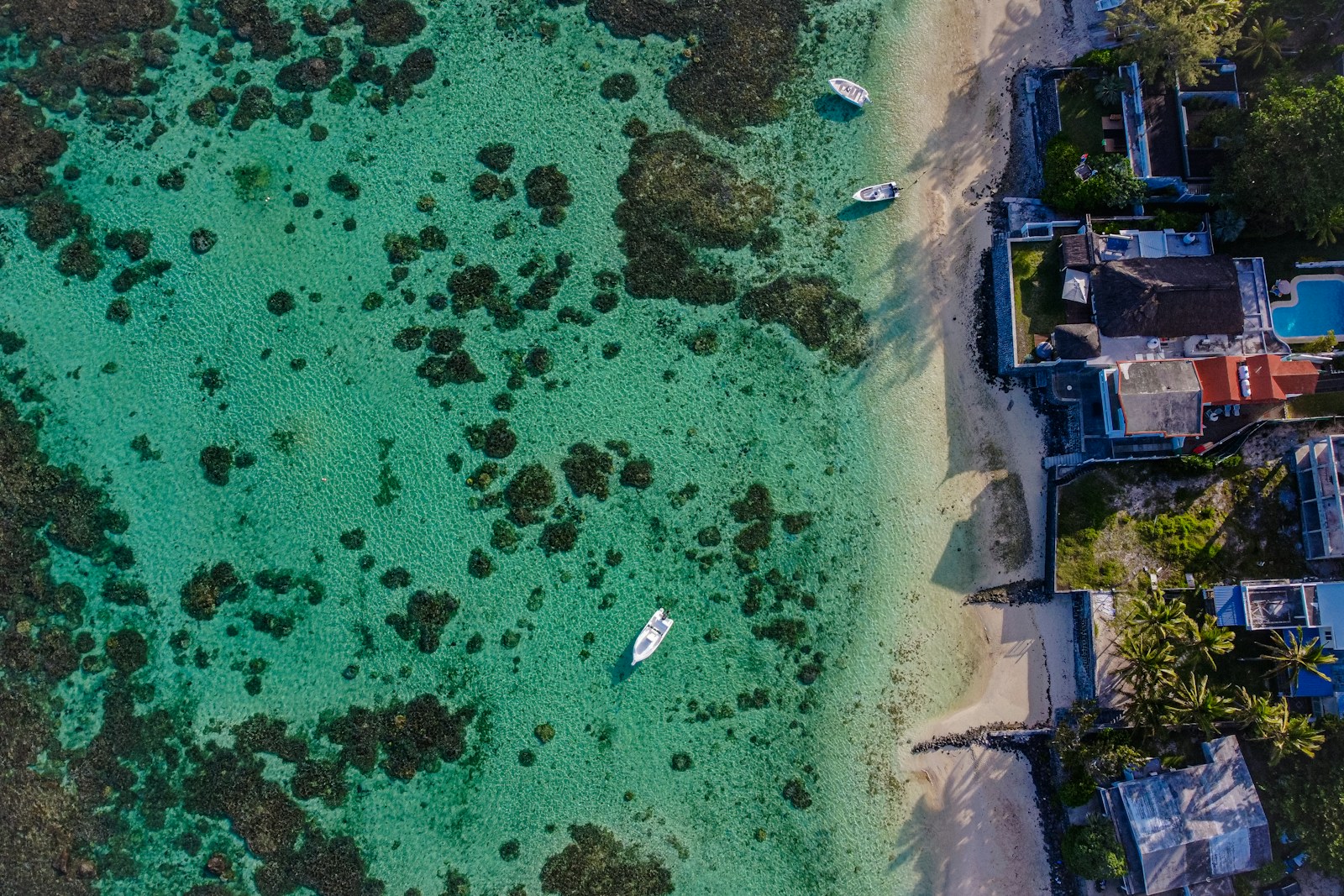
Do not treat Blue Bay as one unrestricted swimming area. The regulations distinguish swimming zones and protected zones, with specific provisions for permitted boats carrying snorkellers or divers. Ask park staff to identify the current permitted area rather than following another swimmer or an online route.
Match the trip to your ability
Tell the operator if you are a beginner, a weak swimmer or visiting with children. Ask about supervision, flotation equipment, entry and exit from the boat, group size and what happens if someone wants to stay aboard. “Equipment included” does not answer those questions.
Visibility is an observation
Water clarity changes. Ask when and where the operator last entered the water and whether the planned stop is still appropriate. Wind direction, offshore waves and tide predictions can inform a conversation, but none is a guarantee of calm water or good visibility inside the lagoon.
Look without touching
Keep your fins and body clear of the coral. Never stand on it to adjust your mask, chase animals or feed fish. If you cannot stay clear of the seabed, ask for help or return to the boat. Your outing does not need a close encounter to be worthwhile.
Prepare before the boat leaves
A comfortable mask should seal without being painfully tight. Move hair out of the seal, adjust the strap and practise breathing through the snorkel before entering deeper water. If equipment is supplied, ask for enough time to try it rather than making the first adjustment after leaving the boat.
Explain your swimming ability honestly. Being comfortable in a pool does not automatically mean being relaxed with a mask, fins and moving water. Ask how the guide supports beginners, whether a flotation aid is appropriate and how the session is organised if participants have different abilities.
What makes a rewarding reef visit
Spend time looking at one area instead of swimming continuously in search of something larger. Small fish shelter between coral structures and different shapes create different habitats. A guide who explains these relationships adds more to the outing than a list of promised sightings.
Stay aware of where the boat and guide are, and leave space between swimmers. A photograph should never require chasing a fish, holding an animal or pushing closer to coral. If your fins are difficult to control, move away from the reef and get assistance before continuing.
Plan around the water session
Keep the rest of the morning flexible. Allow time for boarding, equipment checks, the briefing and changing after the trip. A rushed arrival often steals the time needed to fit a mask properly or explain a beginner’s needs.
Afterwards, beach time and a meal are a natural continuation. Add one land-based stop if you want a fuller day. A fixed island departure immediately after snorkelling adds pressure if the first boat runs late or the plan changes with conditions.
Choose a different format when needed
If someone wants to see the reef but is uncomfortable entering the water, a glass-bottom viewing trip can keep the group’s visit enjoyable. Confirm that it is a genuine viewing experience rather than a boat occupied mainly by a long swimming stop.
On a day when the proposed snorkelling stop is unsuitable, change the activity. The point of the visit is a good experience of Blue Bay, not completing a water session regardless of conditions. The daily report helps you prepare; the actual stop, current instructions and the group’s ability decide the outing.
Plan your visit
Questions before you go
Can I snorkel anywhere from the beach?
No. Follow the current designated zones and ask authorised park staff where entering the water is permitted.
What is the best tide for snorkelling?
Choose the tide for the actual snorkelling stop, with the day’s wind and current in mind. The tide table gives the timing; the local team identifies the permitted entry and return route.