
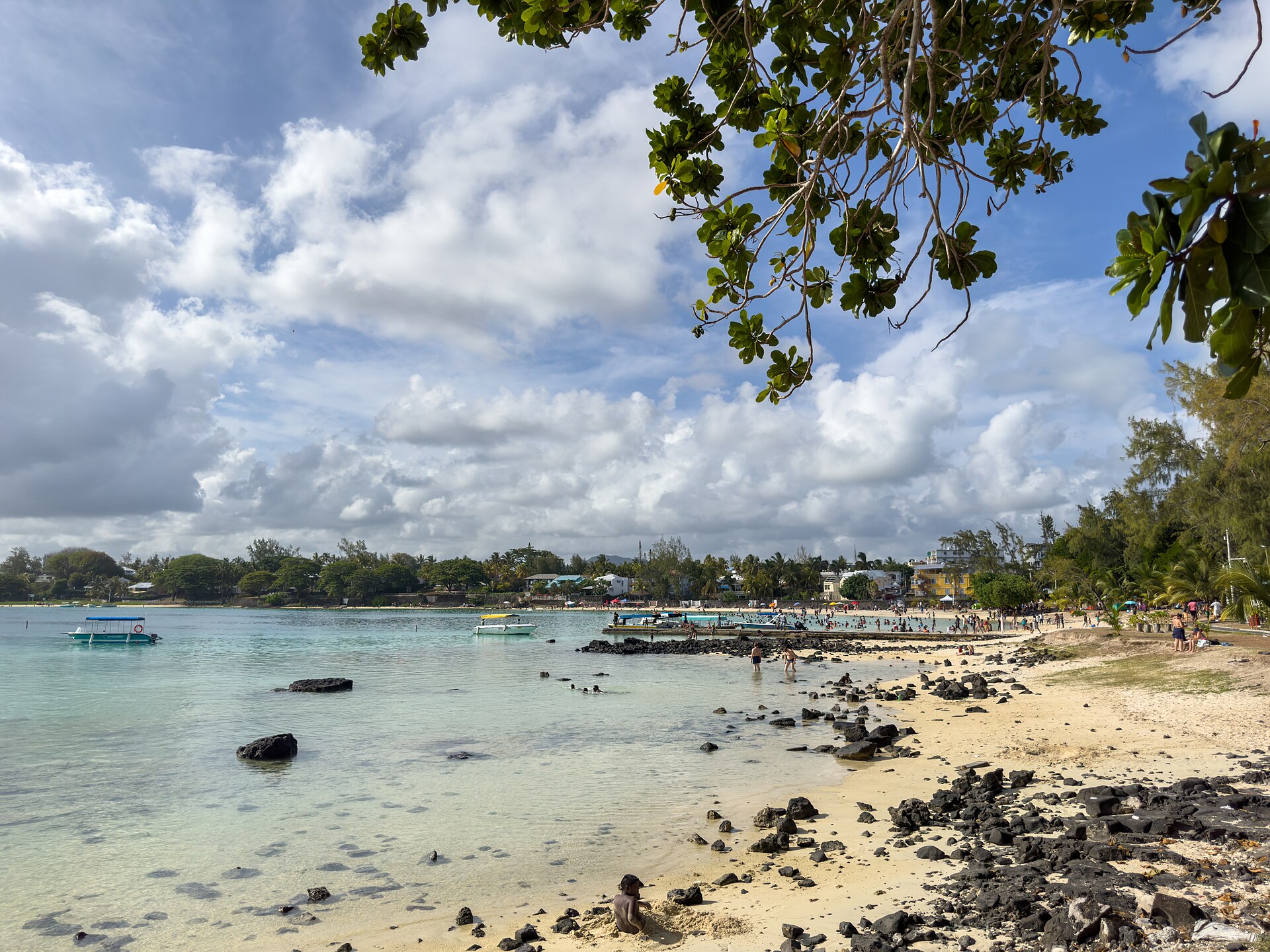
What to know before your visit
Snorkel at Blue Bay only when the permitted area, conditions, entry and exit suit your swimming ability. There is no universally safe tide, depth or route. Check official weather warnings, get a local briefing, stay out of traffic lanes and use a buddy. A snorkel or flotation aid does not make a non-swimmer safe.
Make the entry decision before you get wet
Start with your ability and the proposed swim, not how inviting the lagoon looks. Ask whether you can manage the whole session, including the return and exit, without relying on standing up. The following are practical decision rules, not a rating of current Blue Bay conditions.
| What you know before entry | A sensible decision |
|---|---|
| The route, boundaries and exit are clear, and conditions suit your ability. | Consider entering with a buddy, while continuing to reassess. |
| Depth or current along the proposed route has not been explained. | Pause and request a route-specific briefing. |
| You would need to stand on the bottom to manage the swim. | Do not choose a route that depends on finding a foothold. |
| You cannot swim independently. | Do not treat a snorkel or flotation aid as permission to enter. |
Use the weather report for planning, not permission
Mauritius Meteorological Services is the official source for weather and marine warnings. Check it while planning and again before the activity. Our Blue Bay today report brings together the latest available forecasts, tides and dated local observations. Use it to prepare your visit, then assess the intended activity with the team on site.
Offshore wave forecasts differ from conditions inside the lagoon. Wind, rain, currents and local access also matter. Do not translate one forecast number into an all-clear for your chosen entry point, or let a clear-looking sky replace a conditions check.
Ask whoever briefs you what conditions mean for the actual swim: whether the proposed route remains appropriate, what would make them change it, and whether the exit remains suitable. Treat unresolved questions as a reason to delay entry. A conditions report helps you prepare; it cannot certify an individual snorkelling session.
Ask about depth and current along the whole route
There is no single safe depth for Blue Bay snorkelling. Ask how depth changes over and beside the reef on the proposed route, rather than requesting only the depth at entry. Do not assume that being able to stand at the start means you can stand throughout.
For currents, request a practical explanation: what has been assessed locally, which parts of the proposed swim need attention, and how the return will work. These are briefing questions, not directions to follow a fixed route described online.
No tide is universally best for every Blue Bay activity. Avoid choosing a session solely because it is labelled high or low tide. Select a swim that fits your ability under the conditions explained to you, and do not plan to use coral or other natural features as footholds.
Keep swimming routes separate from boat traffic
The published 2001 marine protected area regulations distinguish swimming, traffic, mooring, conservation and strict conservation zones. They prohibit swimming, snorkelling and diving in traffic lanes. A route that crosses a traffic lane is not an acceptable shortcut to another snorkelling area.
The regulations describe general swimming-zone demarcation as a line of yellow floats or buoys. That is the published framework, not confirmation of today's buoy positions or a live access map. Follow current signs and park instructions, and ask for boundaries to be identified before entering.
Do not use the presence of other swimmers or boats as proof that a crossing is permitted. If you cannot identify the swimming area and its relationship to boat traffic, resolve that uncertainty from shore or during the briefing rather than improvising in the water.
Get a briefing that explains entry, exit and supervision
A useful briefing should leave you able to describe where you will enter, where you may swim and how you will finish. Ask for the exit to be pointed out, not merely described as being nearby. If entry and exit differ, understand the full arrangement before starting.
For a boat-based session, ask how boarding after the swim works and what swimming ability the activity requires. For a shore entry, ask which approach is currently permitted. Neither starting point removes the need to understand depth, currents and traffic boundaries.
If the activity is guided, ask who is supervising in the water, how you should communicate that you want to stop, and what happens if conditions change. Do not infer individual supervision simply from the presence of a guide.
Match the session to the least confident swimmer
Respect each person's swimming ability and the conditions. For a shared session, a useful planning rule is to choose for the least confident participant, rather than expecting that person to keep up. Discuss confidence honestly before equipment is handed out.
Suitable, correctly fitted life jackets are part of general water-safety guidance. Flotation does not replace swimming skill or supervision, and a snorkel does not make a non-swimmer safe. Ask what flotation is proposed and whether the activity genuinely suits the participant; do not accept equipment alone as the answer.
Swim with a buddy. Children also need close, attentive adult supervision, so do not treat another child's company as sufficient. Decide which adult has that responsibility, rather than leaving it vaguely shared among people who are also occupied with snorkelling.
Run this checklist before entering
Use this as a final practical check after the briefing. An unanswered item is something to resolve, not a small detail to leave until everyone else has entered.
- I have checked the official weather information and asked about conditions at the proposed entry and route.
- I can identify the permitted swimming area and will not need to cross a traffic lane.
- I understand the expected depth changes and am not depending on standing on the reef.
- I know where and how I will exit, including how to finish early.
- My buddy and I have agreed to stay together and communicate if either wants to stop.
- Any life jacket is suitable and correctly fitted; nobody is relying on flotation to replace swimming skill.
- Any child has a clearly identified adult providing close, attentive supervision.
Agree when to finish, not just where to swim
Make tiredness, discomfort, reduced confidence or difficulty staying with your buddy reasons to finish rather than press on. Agree this before entry so that stopping does not become a negotiation in the water. A planned duration is not a target you must complete.
Keep reassessing whether the session still matches the briefing. If conditions or access change before you enter, reconsider the plan instead of relying on an earlier decision. Once swimming, use the agreed communication and exit arrangements rather than improvising an onward route.
If you feel unsure before starting, you can decline the swim. Staying out is a valid choice when your ability, the permitted route or the conditions do not fit.
Plan your visit
Questions before you go
Is shallow water enough to make snorkelling safe?
No. Depth alone does not establish suitability. You still need conditions that match your ability, a permitted swimming area, a buddy and a workable exit. Do not choose by standing depth alone.
Which tide is safest for snorkelling at Blue Bay?
There is no universally safest tide. Assess the intended activity alongside wind, currents, weather warnings and local access, then ask how those factors affect the proposed route.
Can a non-swimmer snorkel with a life jacket?
A life jacket does not make a non-swimmer safe for snorkelling. Suitable, correctly fitted flotation is important, but it cannot replace swimming skill or appropriate supervision.
Is snorkelling from a boat automatically safer than from shore?
No starting point is an automatic safety guarantee. Compare the actual route, supervision, swimming requirements and exit arrangements, including how you will get back aboard.
Do yellow buoys mean everything inside is safe?
No. The published regulations describe yellow floats or buoys as swimming-zone demarcation, not a safety guarantee. Confirm current boundaries and assess conditions and ability separately.