
What to know before your visit
Treat a sea turtle at Blue Bay as a possible bonus, not something you can plan to see. The 2008 Ramsar record identifies green turtle habitat, but it is not a current sightings report and provides no reliable viewing schedule. Plan a reef visit that you would enjoy without a turtle.
The evidence establishes habitat, not regular sightings
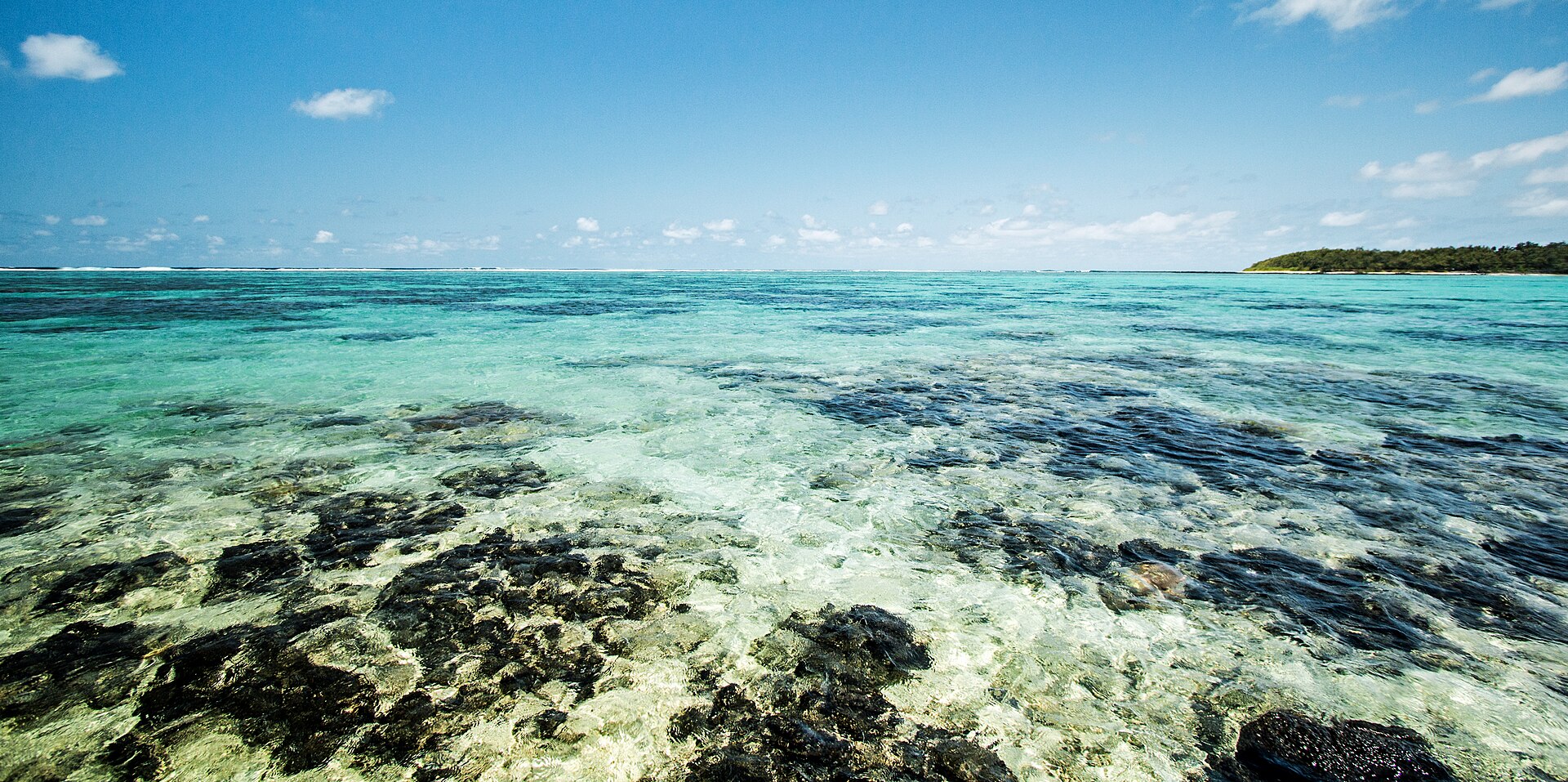
The 2008 Ramsar information sheet records green turtle habitat within Blue Bay Marine Park. It describes a 353-hectare site in Grand Port beside Blue Bay beach, with coral, seagrass, mangroves and macroalgae. This is meaningful evidence that the park has habitat value for green turtles.
It is also a historical site record, not a current census. It does not establish how many turtles use the park today, how frequently visitors encounter them or where an individual animal will be. The distinction matters when deciding whether a turtle-focused outing meets your expectations.
Read “green turtle habitat” as an ecological description, not a promise attached to a boat trip or snorkel. It gives no sighting timetable or encounter probability for an individual visit.
Choose your outing without relying on a turtle timetable
The habitat record does not establish a best month, tide, hour or viewing point for turtles. It therefore cannot justify a special early start or a particular route solely to improve your turtle chances. Nor does it support a percentage likelihood of seeing one.
A useful planning test is to ask whether you would still choose the outing if no turtle appeared. If the answer is yes because you want to look at coral habitats and reef fish, your expectations fit the evidence.
If seeing a turtle is the only reason for going, Blue Bay cannot be presented as a dependable answer. Choose your visit format for your comfort in the water and interest in the reef, rather than an unsupported wildlife promise.
Keep sea turtles separate from land tortoises in your plans
For planning purposes, separate the sea turtle you hope to see at Blue Bay from the land-tortoise interest associated with Île aux Aigrettes. These are different animals and different wildlife experiences, not interchangeable ways to fulfil the same expectation.
Seeing a land tortoise does not count as a sea-turtle encounter. Equally, a reference to tortoises in an island itinerary says nothing about turtle sightings in the lagoon.
If an excursion description uses “turtles” loosely, ask whether it means sea turtles in the water or land tortoises on land. Then decide which experience you actually want. Consider Île aux Aigrettes separately rather than assuming it offers the same encounter as a marine visit.
Let the turtle control any encounter
If a turtle appears, the priority is to leave its movements unrestricted. General marine wildlife viewing principles advise against chasing, touching, feeding, surrounding or blocking animals. Keep access to the surface and a clear travel path available.
Use the decisions below rather than trying to secure a closer view. These are wildlife-viewing principles, not a statement of a numerical Mauritius approach limit.
| What happens | What to do |
|---|---|
| A turtle passes within view. | Watch without closing in. Leave its route open and avoid gathering people around it. |
| It moves towards the surface. | Keep the space above it clear. Do not position yourself over it for a photograph. |
| It swims away. | Let it leave. Do not follow to prolong the encounter or regain camera range. |
| People begin surrounding it. | Give it space rather than joining the group, and alert your guide if appropriate. |
| Someone offers food or proposes baiting it. | Do not participate. Never use food to attract a turtle or other marine wildlife. |
Ask how an outing handles wildlife before agreeing to it
Useful questions concern behaviour, not just whether turtles have been seen. Ask what happens if a turtle appears, whether the group will let it move away and what the visit includes if none is encountered.
As practical advice, favour an approach centred on observing the reef without pursuing animals. A willingness to say that turtles are not guaranteed is more useful for planning than confident language unsupported by current evidence.
Do not agree to baiting, feeding or chasing. The published Mauritius regulations contain restrictions protecting marine fauna and natural features, including restrictions on feeding, collecting, damage and litter. Ethical viewing should be part of the plan from the outset, not improvised after an animal appears.
A turtle does not change where you may swim
The published 2001 marine protected area regulations distinguish swimming, traffic, mooring, conservation and strict conservation zones. Traffic lanes prohibit swimming, snorkelling and diving. Do not follow wildlife into a lane or cross a boundary to maintain a sighting.
The regulations describe general swimming-zone demarcation using a line of yellow floats or buoys. That is not a live map of buoy positions. Use current signs and park instructions to determine where you may enter and move.
It would also be wrong to assume that every strict conservation zone excludes visitors. Blue Bay strict conservation zone A specifically allows glass-bottom boats and boats transporting snorkellers or divers for those activities, subject to schedules the authority may set. The regulations provide the framework; they do not establish today's access arrangements or authorise an improvised turtle pursuit.
Use this checklist before entering the water
Prepare for an ordinary reef visit with the possibility of an unexpected animal encounter. Agreeing on a few decisions beforehand helps keep excitement from turning into pursuit.
- Confirm the permitted swimming or snorkelling area using current instructions, not a remembered buoy layout.
- Tell your companion that you will not split up or follow a turtle away from the agreed area.
- Keep food out of any wildlife encounter, including attempts to attract fish while waiting for a turtle.
- Agree to leave the turtle's route and access to the surface clear.
- Set your camera expectations around a distant view, not a close-up that requires approaching.
- Choose a reef-focused aim so that a visit without turtles still fulfils your plan.
Make the reef itself worth your attention
The same historical Ramsar record documents about 72 fish species and 38 coral species in 28 genera and 15 families. Recorded fish families include butterflyfish, damselfish, wrasses, parrotfish, surgeonfish and groupers. These are historical records of diversity, not a checklist of guaranteed sightings today.
For a more satisfying visit, set a small observation task: notice contrasting fish shapes, look for different coral forms or compare what you can see across the habitat in view. There is no need to identify every animal to enjoy looking carefully.
This changes the purpose of the outing from waiting for one elusive subject to observing what is actually present. If a turtle passes, it becomes an additional encounter rather than the condition on which the whole visit depends.
Plan your visit
Questions before you go
Are turtle sightings guaranteed from a glass-bottom boat?
No. The historical habitat record does not establish a guarantee for any viewing method. Choose a glass-bottom boat for the kind of reef-viewing experience you want, not a promised turtle encounter.
Should I enter the water if a turtle passes the boat?
Do not make an unplanned entry to get closer. Follow the boat's instructions and current park access rules, and avoid entering in a way that blocks or pursues the animal.
Can I offer food to bring a turtle closer?
No. Never bait or feed a turtle. Wildlife-viewing principles reject feeding, and the Mauritius protected-area regulations include restrictions on feeding marine fauna.
Does the 2008 record say how many turtles live at Blue Bay now?
No. It records green turtle habitat, not a current population count. It cannot establish today's abundance, residency or frequency of visitor sightings.
Can I photograph a turtle if one comes near?
Only without compromising its freedom to move. Do not close in, touch it, block its route or occupy the space it needs to surface. Let it leave even if you miss the photograph.